Ductless Air Conditioning Repair & Maintenance Services
Comfort • Efficiency • Reliable Care
Ductless Air Conditioning Repair & Maintenance Services
Enjoy a more comfortable indoor environment with professional ductless air conditioning repair and maintenance services. Learn how ductless systems work, recognize common AC problems, and discover practical ways to maintain dependable cooling throughout the year.
Professional Ductless Air Conditioning Care
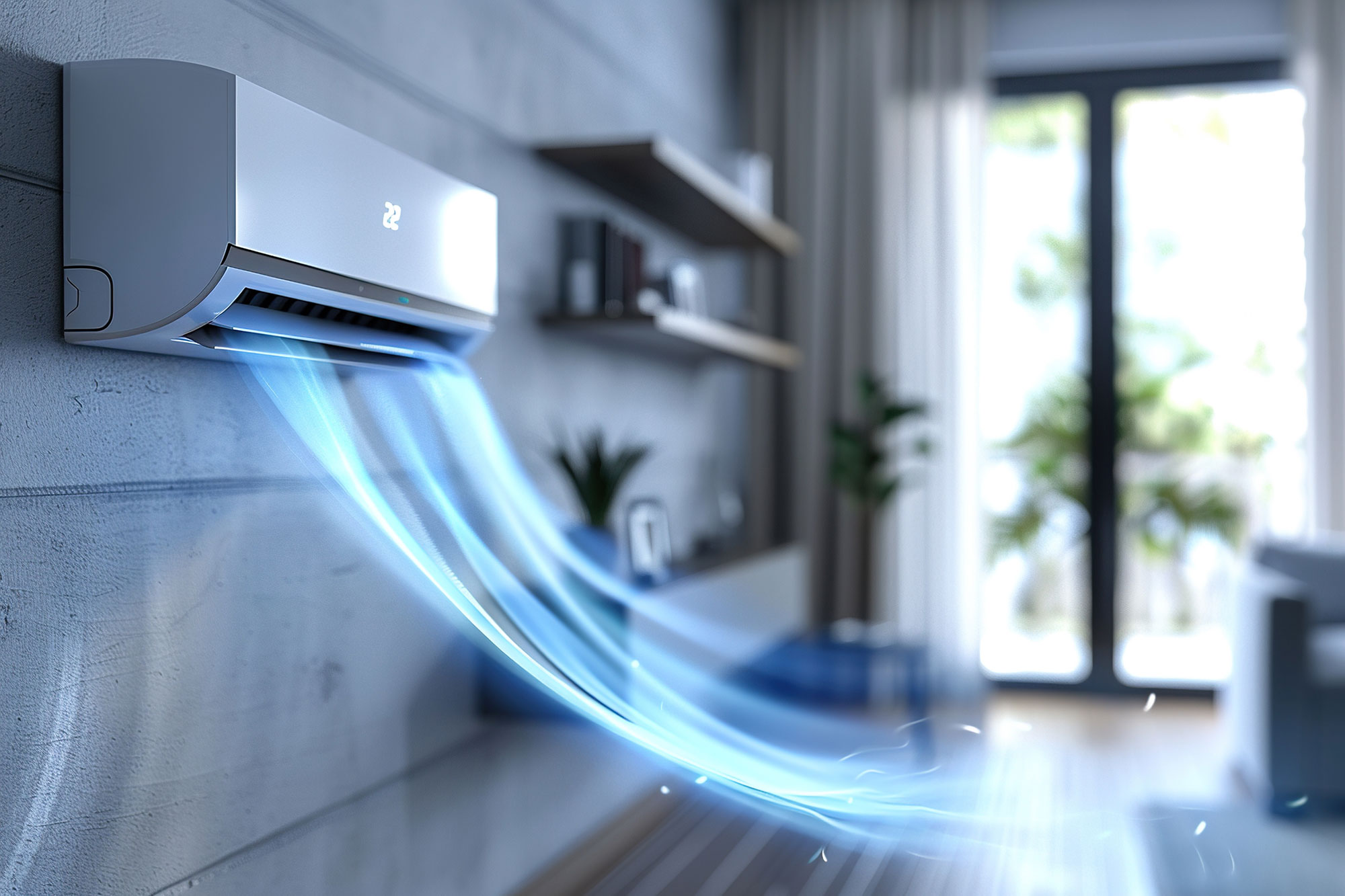
Ductless air conditioning systems provide a convenient way to cool individual rooms and selected areas without installing a network of traditional air ducts. Often called mini-split systems, these units are popular in homes, apartments, additions, converted garages, offices, and other spaces where conventional ductwork may be impractical.
Like other cooling equipment, ductless air conditioners need appropriate maintenance to operate effectively. Dirty filters, obstructed outdoor units, drainage problems, electrical faults, and refrigerant-related issues can interfere with performance. Addressing warning signs early may help prevent avoidable breakdowns and keep the equipment operating as intended.
Whether your system is not cooling properly, making unusual noises, leaking water, or simply due for a seasonal inspection, understanding your options can help you make an informed decision about repair, maintenance, or replacement.
Air Duct Repair & Replacement — GlycoCept
Need help with your cooling system? A professional inspection can help identify the cause of performance problems and determine which service options are appropriate for your equipment.
Why Choose a Ductless Air Conditioning System?
Ductless systems offer several practical advantages when selected, installed, and maintained according to the needs of a building. Understanding these benefits can help you determine whether a mini-split system is suitable for your space.
01
Flexible Room-by-Room Comfort
Many ductless systems allow individual indoor units to serve different rooms or zones. This arrangement can make it easier to adjust temperatures for occupied spaces instead of treating the entire building as a single cooling area.
02
No Traditional Duct Network
Ductless equipment transfers conditioned air directly from indoor units into their respective rooms. It can be a practical option for properties without existing ductwork or where adding ducts would require extensive construction.
03
Potential Energy Savings
Certain ductless systems use variable-speed technology and efficient compressors. Depending on the building, usage habits, climate, and equipment selection, these features may reduce energy consumption compared with less efficient alternatives.
04
Flexible Installation Options
Indoor units may be available in wall-mounted, floor-mounted, ceiling-mounted, and other configurations. The right choice depends on room design, available space, manufacturer requirements, and the overall installation plan.
05
Individual Temperature Control
Multi-zone arrangements can allow different areas to have separate temperature settings. This may be useful when family members, employees, or occupants have different comfort preferences.
06
Convenient Routine Maintenance
Accessible filters and indoor-unit components make some routine care straightforward. Regular filter cleaning, outdoor-unit inspections, and professional servicing can help maintain reliable operation.
How Does Ductless Air Conditioning Work?
A typical ductless mini-split system consists of an outdoor unit connected to one or more indoor units. The system moves heat between the indoor environment and the outdoors using refrigerant, a compressor, heat exchangers, and associated controls. During cooling operation, heat is removed from the indoor air and released outside.
1. The Indoor Unit Circulates Room Air
The indoor unit draws room air through its intake and filter. As air passes across the indoor heat exchanger, heat is transferred to the refrigerant. The unit then circulates conditioned air back into the room. A clean filter and unobstructed airflow help the equipment operate properly.
2. The Outdoor Unit Transfers Heat
The outdoor unit contains major components such as the compressor and outdoor heat exchanger. During cooling, it helps release the heat collected from inside the building. Leaves, debris, restricted airflow, and mechanical faults can interfere with this process.
3. Refrigerant Moves Heat Between Components
Refrigerant circulates through the system and changes pressure and state as part of the heat-transfer process. Incorrect refrigerant charge, a leak, or a restriction can affect performance. Refrigerant diagnosis and handling should be performed by a properly qualified professional.
4. Controls Regulate Comfort
A thermostat, remote control, or integrated control system allows the user to select operating modes and temperature settings. Sensors and system electronics regulate operation according to the equipment design. Incorrect settings, depleted remote batteries, or control faults can sometimes make a functioning system appear to be malfunctioning.
Common Ductless AC Problems and Their Warning Signs
A ductless air conditioner may show several signs when maintenance is overdue or a component needs attention. Recognizing these symptoms can help you decide when to perform a simple user-level check and when to request professional service.
Insufficient Cooling
If a room remains warm despite the system running, check the selected operating mode, temperature setting, and accessible air filter. Make sure furniture or curtains are not blocking the indoor unit. Persistent cooling problems may involve airflow restrictions, an incorrectly sized system, a sensor issue, a refrigerant problem, or a compressor fault.
Water Leaking From the Indoor Unit
Water around an indoor unit can be associated with a blocked condensate drain, an improperly installed drain line, a drainage pump problem, or ice formation followed by melting. Turn the equipment off if water is leaking significantly, especially near electrical equipment, and arrange an inspection. Avoid opening internal panels or attempting to clear components that require technical access.
Unusual Sounds or Vibration
A new buzzing, rattling, grinding, or persistent clicking sound may indicate loose parts, a fan obstruction, vibration, or an electrical or mechanical issue. Some operating sounds are normal, but a sudden change should not be ignored. Stop using the system if you notice a burning smell, smoke, or signs of electrical overheating.
Unpleasant Odors
Musty odors may develop when moisture and debris accumulate around filters or other damp surfaces. Other smells may indicate a different problem. Clean user-removable filters according to the manual and seek professional attention if odors persist. Do not spray chemicals into the unit unless the manufacturer specifically permits their use.
Unexpectedly High Energy Consumption
Higher electricity use may result from changing weather, longer operating hours, open windows, incorrect settings, dirty filters, or declining system performance. Comparing usage over similar periods and checking basic operating conditions can help identify possible causes. A technician can evaluate system performance when the reason is unclear.
The System Will Not Start
Check whether the remote control is working, the selected settings are correct, and the circuit breaker has not tripped. Do not repeatedly reset a breaker that trips again. Repeated tripping may indicate an electrical fault that needs qualified attention. If basic checks do not resolve the problem, arrange a professional diagnosis.
Ice on the Indoor Unit or Refrigerant Lines
Ice formation can be associated with restricted airflow, sensor problems, or refrigerant-system faults. Turn off cooling and follow the manufacturer's instructions while arranging service. Never chip away ice with sharp tools. Continued operation with a frozen coil can worsen the underlying problem.
Ductless Air Conditioning Repair Services
Repair work begins with identifying the actual cause of a problem rather than replacing parts based only on symptoms. Similar warning signs can arise from different issues, so a systematic inspection helps determine which corrective action is appropriate.
Depending on the equipment and findings, ductless AC repair may involve diagnosing control faults, evaluating airflow, checking condensate drainage, inspecting electrical connections, examining fan operation, or testing refrigeration performance. The exact work required varies by manufacturer, model, system age, and installation conditions.
Diagnostic Inspection
A technician may review the reported symptoms, operating settings, error codes, maintenance history, and visible condition of the equipment. Appropriate diagnostic tests can help narrow down the cause and identify whether a repair is necessary.
Airflow and Filter Problems
Restricted airflow can affect cooling performance and may contribute to coil icing. A technician can inspect relevant airflow components and determine whether cleaning, adjustment, or repair is needed. Between service visits, homeowners can help by keeping accessible filters clean and avoiding obstructions around the indoor and outdoor units.
Drainage and Moisture Issues
Condensate drainage should carry collected moisture away from the indoor unit. Drain restrictions, poor drainage slope, damaged lines, and pump faults can lead to leakage. Proper diagnosis can help prevent recurring moisture problems and reduce the risk of damage to surrounding finishes.
Electrical and Control Diagnostics
Ductless systems depend on electronic controls, sensors, wiring, and protective devices. A fault in one of these components may interrupt operation or cause error messages. Electrical testing and internal repairs should be handled by appropriately qualified personnel.
Refrigerant-System Problems
Refrigerant leaks and charge-related issues require proper diagnosis. Simply adding refrigerant without identifying the cause of a suspected leak may not resolve the underlying problem. A qualified professional can assess the system, determine appropriate corrective work, and follow applicable refrigerant-handling requirements.
Ductless AC Maintenance for Long-Term Performance
Routine maintenance helps keep ductless air conditioning equipment clean, supports efficient airflow, and provides opportunities to identify developing issues. Although maintenance cannot prevent every breakdown, consistent care may reduce avoidable problems and help preserve comfort.
Clean or Check the Air Filters
Air filters collect dust and other airborne particles before air passes through the indoor unit. Follow the manufacturer's guidance for inspecting, cleaning, or replacing filters. Some filters are washable, while others require replacement. Allow washable filters to dry completely before reinstalling them. Never operate equipment without the required filters.
Keep Indoor Units Unobstructed
Avoid placing objects directly in front of air outlets or covering the return-air intake. Clear airflow helps distribute conditioned air throughout the room. Check that curtains, furniture, and decorations do not interfere with the unit.
Maintain Outdoor Unit Clearance
Leaves, grass, dust, and other debris can restrict airflow around the outdoor unit. Keep the surrounding area clear according to the manufacturer's recommended clearance distances. Do not bend the delicate fins, insert tools into the unit, or remove protective panels for cleaning.
Check for Visible Drainage Issues
Watch for unexpected water around the indoor unit or drain outlet. A change in drainage behavior may warrant inspection. Avoid dismantling the drainage system unless you are specifically qualified and the manufacturer permits the work.
Pay Attention to Operating Changes
Notice whether cooling takes longer than usual, airflow becomes weaker, energy consumption changes, or unfamiliar sounds develop. Recording when symptoms occur can help a technician understand the issue. Note any displayed error codes without attempting unauthorized repairs.
Arrange Periodic Professional Service
Follow the service interval specified in your equipment manual and consider scheduling an inspection before periods of heavy cooling demand. Professional maintenance may include checks of operating performance, electrical connections, condensate drainage, coils, fans, controls, and other manufacturer-recommended items.
- Inspect accessible filters regularly.
- Keep indoor air outlets clear.
- Remove loose debris around the outdoor unit.
- Watch for unusual noises, smells, or leaks.
- Use the recommended operating mode and settings.
- Schedule professional inspections as appropriate.
- Keep service records and note recurring symptoms.
Ductless AC Repair vs. Replacement: Which Is Better?
Deciding between repairing a ductless air conditioner and replacing it depends on several factors. The age of the equipment matters, but it should not be the only consideration. The nature of the fault, repair cost, energy performance, parts availability, refrigerant requirements, and expected future reliability all deserve attention.
When Repair May Be the Right Choice
Repair may be sensible when the equipment is in generally good condition and the problem is limited to a serviceable component. A straightforward drainage correction, control repair, or other appropriately priced repair may restore normal operation without requiring a complete replacement.
Repair can also make sense when the system meets your comfort needs, replacement parts are available, and a qualified technician expects the remaining equipment to provide useful service. Ask for a clear explanation of the fault, the recommended work, and any applicable warranty coverage.
When Replacement May Be Worth Considering
Replacement may deserve consideration when the system experiences repeated major failures, important components are no longer available, or repair costs approach a substantial portion of the cost of a suitable new system. A very old or inefficient unit may also make replacement attractive if improved energy performance could offset some of the initial expense over time.
A replacement decision should consider the complete installed cost, including equipment, labor, electrical requirements, mounting, condensate drainage, refrigerant piping, and any necessary modifications. Ask the installer to assess the room or building requirements rather than assuming that a replacement should automatically match the old unit's size.
Questions to Ask Before Deciding
- What is the confirmed cause of the current problem?
- How much will the recommended repair cost?
- Are replacement parts available for this model?
- Has the system experienced similar failures before?
- What warranty applies to the repair or new equipment?
- Would a new system offer meaningful efficiency benefits?
- Are there installation or electrical changes to consider?
Ductless AC Repair and Replacement Comparison
The following table summarizes common considerations when evaluating repair and replacement. The best choice depends on your particular equipment and a qualified assessment.
| Factor | Repair | Replacement |
|---|---|---|
| Initial expense | Often lower when the fault is limited and parts are available. | Usually higher because new equipment and installation are required. |
| Equipment age | Often attractive for a relatively new, well-maintained system. | May be worth considering for aging equipment with repeated major faults. |
| Existing efficiency | Restores performance but generally retains the existing equipment. | May offer improved efficiency if the new model is appropriately selected. |
| Recurring breakdowns | Can address an identified fault, but other aging components may still need attention. | Can reduce dependence on aging equipment, although new systems still require maintenance. |
| Parts availability | Depends on the model, manufacturer support, and component availability. | New components are supplied for the selected model subject to availability and warranty terms. |
| Installation work | Usually limited to the affected components or systems. | May require new mounting, piping, electrical work, and condensate arrangements. |
| Best next step | Obtain a diagnosis and written repair estimate. | Compare installed costs, efficiency, sizing, and warranty coverage. |
What to Expect During a Ductless AC Service Visit
Understanding the service process makes it easier to prepare for an inspection and communicate your concerns. The precise steps vary according to the reported problem, the equipment design, and the work required.
-
Describe the symptoms.
Explain when the problem began, which rooms are affected, whether the unit operates intermittently, and whether any warning codes or unusual sounds have appeared. -
Review the equipment and operating conditions.
The technician may inspect the indoor and outdoor units, review system settings, and examine visible conditions that could affect performance. -
Perform appropriate diagnostics.
Depending on the issue, testing may include airflow evaluation, control checks, electrical measurements, drainage inspection, or refrigerant-system diagnostics. -
Discuss findings and recommendations.
Ask for an explanation of the identified fault, available repair options, expected costs, and any relevant warranty information before authorizing work. -
Complete the approved work.
Once you approve the proposed service, the technician can perform the agreed work using procedures suitable for the equipment. -
Review operation and maintenance guidance.
Where appropriate, the technician can explain the work completed, review system operation, and discuss recommended maintenance or follow-up.
Choosing the Right Ductless AC Service Provider
The quality of diagnosis and installation can influence how well a ductless air conditioning system performs. When selecting a service provider, look for clear communication, relevant technical qualifications, transparent estimates, and experience with your type of equipment.
Look for Appropriate Qualifications
Air conditioning work can involve electrical systems, pressurized refrigerant circuits, and specialized diagnostic procedures. Confirm that the professional has the licenses, certifications, or other qualifications required in your area for the work being performed.
Ask for a Clear Scope of Work
A useful estimate should explain the recommended work, expected charges, parts involved, and any important limitations. If replacement is proposed, ask whether alternative repair options are reasonable and why the recommended solution is appropriate.
Understand Warranty Terms
Equipment, replacement components, and labor may have different warranty terms. Ask what is covered, how long coverage lasts, and whether any maintenance or registration requirements apply. Keep invoices and service records for future reference.
Prioritize Safe Work Practices
Avoid contractors who recommend bypassing safety controls, repeatedly resetting a tripping breaker without investigation, or adding refrigerant without appropriate diagnosis. A responsible service approach should explain safety concerns and follow applicable requirements.
- Verify applicable qualifications and experience.
- Ask for a written estimate before work begins.
- Confirm the proposed diagnosis and scope of work.
- Review relevant warranty and payment terms.
- Keep service documentation for future maintenance.
Tips for Better Cooling and Everyday Efficiency
Small changes in how you operate your ductless system can support comfort and may help control energy use. The best settings depend on outdoor conditions, room insulation, equipment capacity, occupancy, and personal preferences.
Choose a Reasonable Temperature
Set the temperature to a comfortable level instead of choosing an unnecessarily low setting in an attempt to cool the room faster. Lower settings do not guarantee faster cooling and may increase operating time. Adjust the temperature gradually to find a suitable balance between comfort and energy use.
Use Operating Modes Correctly
Cooling, fan, dry, and automatic modes may behave differently depending on the model. Consult the manual to understand each function. A dry mode may help manage humidity under suitable conditions, but it is not a replacement for addressing a serious indoor moisture problem.
Reduce Unnecessary Heat Gain
Window coverings, suitable insulation, and sealing unwanted drafts can help reduce the heat entering a room. Keeping doors and windows closed while cooling can also prevent conditioned air from being lost unnecessarily.
Use Fans as a Supplement
Ceiling or portable fans can improve perceived comfort by moving air around occupied spaces. They do not remove heat from the room in the same way an air conditioner does, so they should be used as a complement rather than a substitute for appropriate cooling.
Maintain Each Zone Properly
In multi-zone systems, review the operating settings for each indoor unit. Use the controls as recommended by the manufacturer and avoid assuming that all zones need the same setting at all times. Appropriate zone management can help match cooling to the way different rooms are used.
Remember that an air conditioner's efficiency rating does not determine actual household energy use by itself. Climate, building design, equipment sizing, installation quality, maintenance, and daily operation all contribute to overall performance.
Important Safety Guidelines
Ductless air conditioning equipment combines electrical components, moving fans, condensate drainage, and refrigerant circuits. Routine user maintenance should be limited to tasks allowed by the equipment manufacturer.
- Switch off the unit before cleaning accessible filters, following the manufacturer's instructions.
- Do not remove electrical covers or attempt live electrical testing.
- Do not cut, bend, or disconnect refrigerant lines.
- Do not attempt to repair compressors or internal electrical components without appropriate qualifications.
- Keep children and pets away from exposed service areas.
- Stop using equipment that produces smoke, a burning smell, or signs of electrical overheating.
- Seek qualified assistance if a circuit breaker trips repeatedly.
If water is leaking near electrical components, avoid touching wet equipment. If there is immediate danger, keep people away and contact the appropriate emergency or qualified service professional. Safety takes priority over continued operation.
Frequently Asked Questions
Find answers to common questions about ductless air conditioning repair, maintenance, efficiency, and replacement.
1. What is a ductless air conditioning system?
A ductless air conditioner, commonly called a mini-split, uses an outdoor unit connected to one or more indoor units to cool individual rooms or zones without a traditional duct network. Depending on the model, it may also provide heating through a heat-pump function.
2. How often should ductless AC filters be cleaned?
Follow the schedule in your equipment manual. Inspection every few weeks during periods of heavy use can be a helpful starting point, but dust levels, pets, occupancy, and operating conditions may require more frequent attention. Clean or replace filters according to the manufacturer's instructions.
3. Why is my ductless AC running but not cooling?
Possible causes include incorrect settings, a dirty filter, obstructed airflow, a sensor fault, refrigerant-system trouble, or a mechanical issue. Check the basic user-accessible settings and filter first. If cooling does not improve, arrange a professional diagnosis instead of attempting internal repairs.
4. Why is my indoor ductless unit leaking water?
Water leakage can result from a blocked condensate drain, an installation issue, a drainage pump problem, or ice that later melts. Turn off the equipment if the leak is significant or near electrical components, and request an inspection.
5. Is repairing a ductless AC better than replacing it?
The decision depends on the system's condition, age, repair cost, parts availability, efficiency, and history of breakdowns. A limited repair may be worthwhile for equipment in good condition. Repeated major faults or high repair costs may make replacement worth comparing. Obtain estimates before deciding.
6. How long can a ductless air conditioner last?
Lifespan varies with equipment quality, usage, climate, installation, and maintenance. Some systems provide service for many years, but there is no guaranteed lifespan. Regular maintenance, timely repairs, and correct installation can support reliable operation.
7. Does a ductless AC need professional maintenance?
Yes, periodic professional inspection is useful for checking components that homeowners should not service themselves. Depending on the model, maintenance may include performance checks, drainage inspection, electrical checks, and examination of coils and fans. Follow the manufacturer's recommended schedule.
8. What causes ice to form on a ductless AC unit?
Ice can develop because of restricted airflow, sensor problems, or refrigerant-system issues. Turn off cooling and follow the manufacturer's guidance while arranging service. Do not chip away ice or continue running a frozen system without addressing the cause.
9. Can ductless air conditioning reduce energy costs?
It may, particularly when an appropriately sized, efficient system replaces less efficient cooling equipment or avoids the need to condition unused areas. Actual savings depend on local energy prices, climate, insulation, usage patterns, installation quality, and the equipment selected.
10. When should I call a professional for ductless AC repair?
Contact a qualified professional if the unit repeatedly fails to cool, leaks water, freezes, produces unusual noises, displays persistent error codes, or trips a breaker. Smoke, a burning smell, or electrical overheating requires immediate attention and safe shutdown where possible.
Ready to Restore Your Indoor Comfort?
Whether you need help understanding a cooling problem, arranging routine maintenance, or comparing repair and replacement options, the right next step starts with a clear assessment of your ductless air conditioning system.
Get in touch to discuss your service needs and learn about the next steps for your equipment.
Keep Your Ductless Air Conditioner Performing at Its Best
Ductless air conditioning provides a flexible cooling solution for many homes and businesses. With clean filters, unobstructed airflow, appropriate operating settings, and regular maintenance, you can help your equipment deliver comfortable indoor conditions while identifying potential issues early.
When problems occur, a professional diagnosis helps distinguish between simple maintenance needs and more substantial equipment faults. Comparing repair costs with replacement options can also help you make a decision that reflects your budget, comfort requirements, and long-term plans.
Prioritize safe operation, follow the manufacturer's maintenance recommendations, and seek qualified assistance whenever a problem involves electrical components, refrigerant, or internal mechanical parts.